November 19, 2026
A GTM Engineer isn't just RevOps 2.0; they build and manage the AI-powered systems that find and qualify your buyers. While ineffective engineers simply automate spam, great ones build targeted acquisition machines with sniper-like precision, like Vercel's famous 32x ROI case. However, the role often fails because most companies refuse to abandon outdated, activity-based compensation plans that clash with a modern GTM. Hiring a GTM Engineer is a commitment to breaking your old go-to-market model, not just patching it.
Let's get one thing straight. The way you have been doing sales for the last twenty years is a dumpster fire.
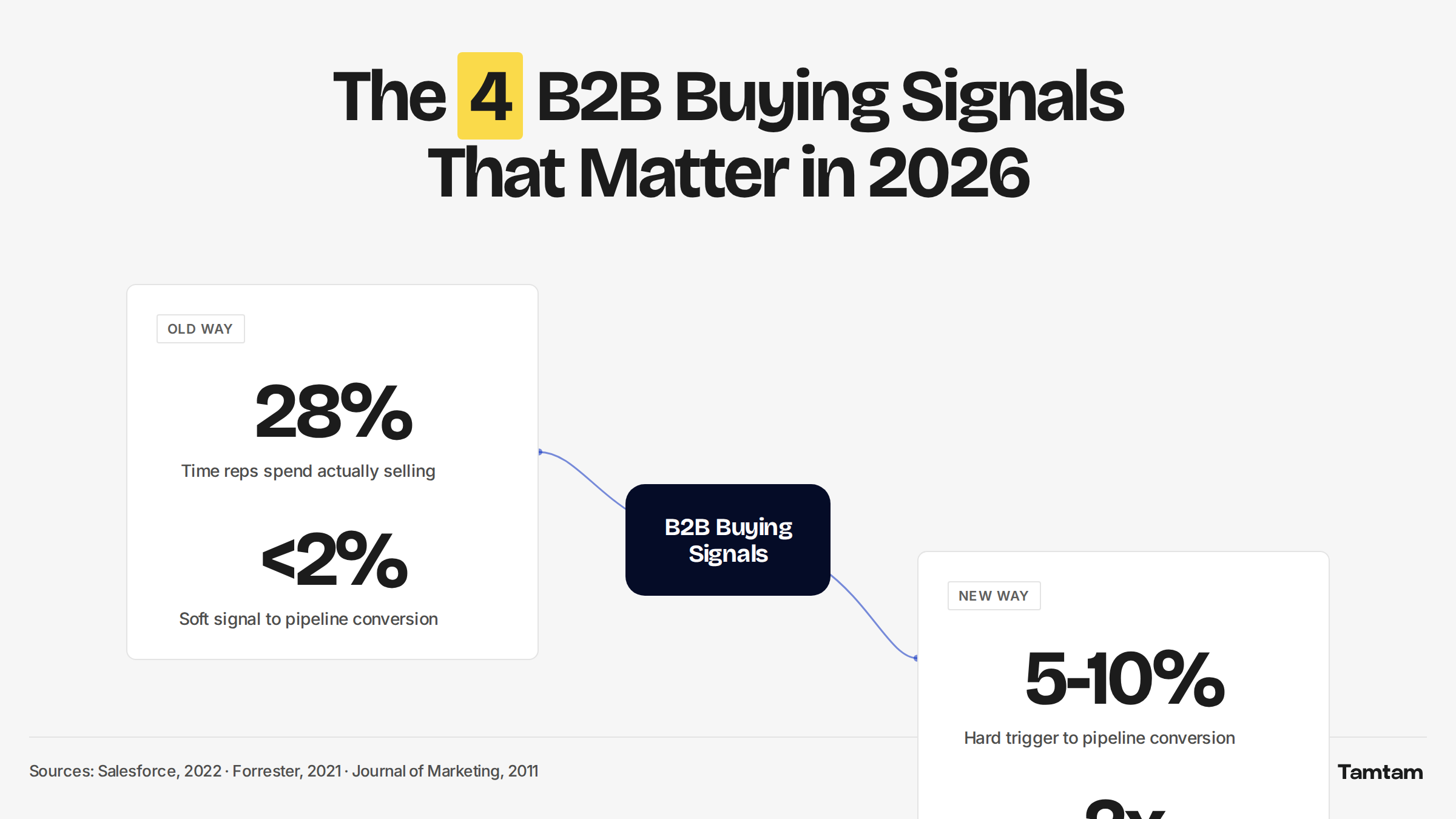
Your reps spend a fraction of their day actually selling. The rest is a miserable slog of administrative tasks, manual research, and updating a CRM nobody trusts. We have seen high-performing teams hit 70% to 80% of their time on revenue-generating activities. Your team is probably closer to 20%.
The "mediocre middle" of your sales team, the people who were just good enough at cold calling to hit 80% of a modest quota, are now obsolete. As venture capitalist Jason Lemkin noted, AI agents are already better and cheaper than them at basic prospecting.
This is not a debate anymore. It is a death sentence for companies that refuse to adapt.
This is the world that created the GTM Engineer. It is a role born from necessity, a response to a burning platform. But hiring one is like handling dynamite. Do it right, and you can blow a hole through your market. Do it wrong, and you will just blow up your own sales floor.
The problem is, most companies are doing it wrong. They hire a GTM Engineer hoping for a magic bullet, but they misunderstand the role entirely. They see two paths and almost always choose the wrong one.
This is the GTM Engineer as a glorified IT admin. They are hired to connect pipes, sync data, and generally make the old, broken system run a little bit faster.
This is the engineer you hire when you want to feel innovative without actually changing anything.
Who it's for: Leaders who are terrified of real change. They want to check the "AI" box on their board deck but are not willing to question their existing processes, team structures, or compensation plans.
Strengths:
Weaknesses:
Verdict: The Workflow Glue engineer is a temporary patch on a sinking ship, and you are paying a premium salary for the privilege of sinking slightly slower.
This is the GTM Engineer as a strategic weapon. They are not there to patch your old system. They are there to design and build a completely new one.
This engineer asks a different set of questions. Not "How can we sync these leads faster?" but "Are these the right leads to begin with? What signals tell us they are ready to buy? How do we build a machine that finds only those people?"
Who it's for: Leaders with the courage to admit their old model is dead. They are willing to dismantle broken systems, challenge long-held assumptions, and rebuild their entire revenue engine for ruthless efficiency.
Strengths:
Weaknesses:
Verdict: The System Architect is a catalyst for total transformation, but they will put your company's culture, leadership, and courage to the ultimate test.
| Criteria | The Workflow Glue Engineer | The System Architect Engineer |
|---|---|---|
| Primary Goal | Automate existing tasks | Design a new revenue system |
| Focus | Activity & Volume | Signals & Outcomes |
| Key Tools | Zapier, basic CRM workflows | APIs, databases, AI agents, any tool that works |
| Success Metric | "Tasks automated," "leads synced" | Revenue pipeline influence, cost per opportunity |
| Risk | Burns cash automating spam, high turnover | Exposes organizational rot, requires leadership courage |
| Real-World Vibe | "Can you make this data pipe work?" | "Is this the right data to act on at all?" |
So, you think you want to hire a GTM Engineer. Before you write that job description, you need to have a brutally honest conversation with yourself and your leadership team.
Ask these three questions. Your answers will tell you whether you are building a weapon or just a more expensive mousetrap.
Be honest. Is the goal to make your SDRs 10% faster at sending their current mediocre emails? Or is it to fundamentally change how you find and engage buyers? If you just want a small, incremental improvement on your existing process, you are looking for workflow glue. Hire a RevOps analyst with some automation skills. If you want to find the 50 accounts with the highest possible intent this month and ignore the other 5,000, you need an architect.
A true System Architect will prove that many of your sacred cows deserve to be barbecued. They will show you that your MQL definition is a joke, that your top SDR is just the best at gaming a bad compensation plan, and that your TAM is 50% smaller than you thought. Are you, as a leader, willing to act on that information? Are you prepared to change your compensation plans, fire managers who resist, and admit that the strategy you sold to the board last year was wrong? If the answer is no, do not hire a GTM Architect. They will discover the truth, present it to you, and when you do nothing, they will quit.
Where will this person report? If the answer is "to the VP of Sales," you have already failed. A GTM Architect is not a sales resource. They are a company resource. Their work requires deep collaboration and data access across marketing, sales, product, and finance. If you try to isolate them in one department, they will become a glorified report-builder for a single VP. You will have wasted a six-figure salary and a massive opportunity to build a real competitive advantage. The role needs to report to a CRO, COO, or even the CEO to have the cross-functional authority it needs to succeed.
Hiring a GTM Engineer is going to force you to confront every broken process and misaligned incentive in your company. It will shatter your comp plans, your functional silos, and your VP of Sales' ego. It will expose every lie you have been telling yourselves about your pipeline. But if you do not break your GTM model yourself, your AI-native competitors are going to do it for you. Your real choice is not whether to change, but whether you want to be the one holding the hammer.
A System Architect’s job is to design the engine, not to spend their days forging the steel for every single bolt. The grunt work of finding buying signals and building the data pipelines to support it is a solved problem. Building it from scratch in 2026 is a colossal waste of an expensive engineer's time. The smartest architects start with a best-in-class chassis. A platform like Tamtam does the thankless job of continuously researching your market for the exact triggers that predict a sale, handing your team the account and the reason why they need to hear from you now. This frees your GTM Architect to focus on high-level system design, not getting buried in API docs and data plumbing.
Set up for you before our first call
Book a demo