Land and expand
A go-to-market strategy where a company secures a small initial deal within a larger organization, intending to expand its footprint over time.
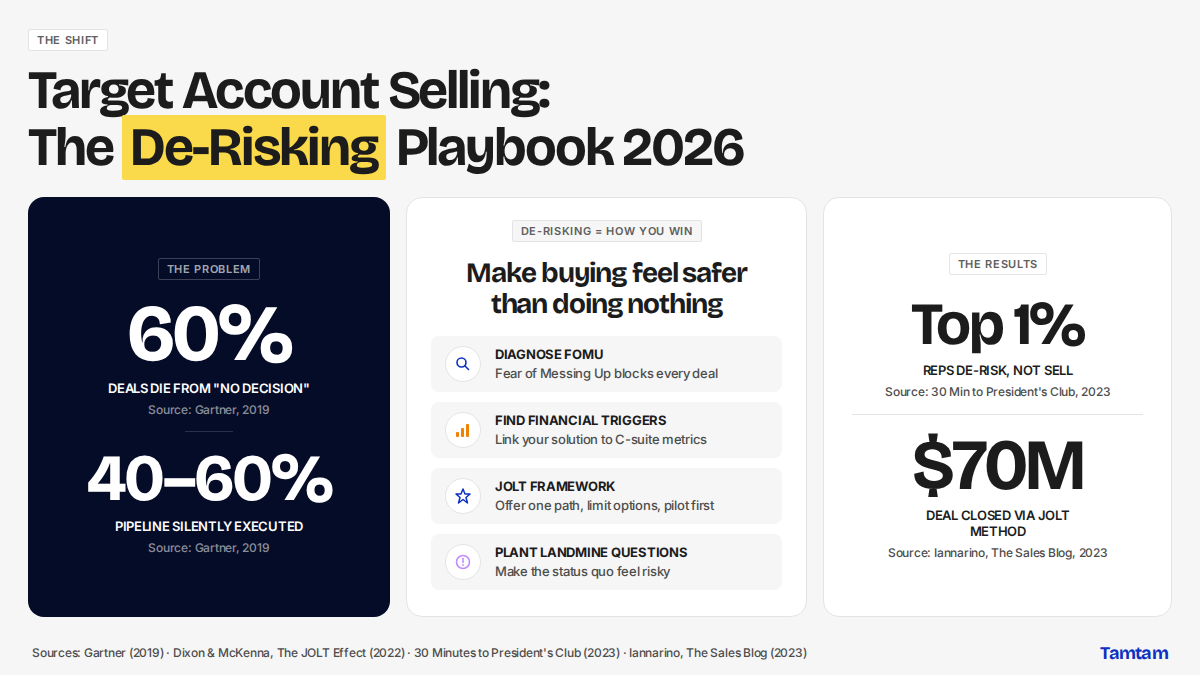
Land and expand is a long-term go-to-market strategy where a business first closes a small, low-risk deal with a new customer (the "land") before expanding the relationship to generate more revenue (the "expand"). Instead of pursuing a large, complex enterprise-wide contract from the start, this approach focuses on securing a foothold within one department, team, or use case. The initial sale is just the beginning of a longer-term revenue journey.
How the land and expand motion works
The strategy consists of two distinct phases. Success depends on executing both effectively.
1. The "Land" Phase: The primary goal is to make the initial adoption as easy and low-friction as possible. This is often achieved through a free trial, a low-cost pilot program, or a single-team license. In Product-Led Growth (PLG) models, the product itself serves as the landing vehicle, allowing users to adopt it organically before any sales conversation occurs. The key is to prove value quickly and build internal champions.
2. The "Expand" Phase: Once the product has demonstrated its value to the initial user group, the focus shifts to expansion. This phase is driven by Customer Success Managers who ensure deep adoption and identify growth opportunities, and by Account Managers who manage the commercial relationship. Expansion can take several forms:
- Upselling: Adding more seats or moving the customer to a higher-priced tier with more features.
- Cross-selling: Selling additional products or services to the existing customer.
- Internal Growth: Spreading adoption across new departments, business units, or geographic locations within the company.
Why this strategy matters
The land and expand model is a powerful driver of efficient and predictable growth, especially for SaaS businesses. By reducing the initial barrier to entry, it can lower customer acquisition costs and shorten sales cycles for the first deal.
The real financial benefit comes from the "expand" motion, which significantly increases customer lifetime value (LTV). This growth from the existing customer base is a key component of a strong Net Revenue Retention (NRR) rate, a critical metric for business health. This focus on post-sale growth is visualized in the right half of the bowtie funnel, which maps the journey from adoption to advocacy and expansion.
Also known as: land and expand strategy, land-and-expand motion
See how Tamtam handles account-based & key accounts in practice.
Learn more →