Go-to-market strategy
A go-to-market strategy is an organization's plan for bringing a new product or service to market, detailing target customers, messaging, and sales channels.
A go-to-market (GTM) strategy is the comprehensive plan an organization uses to introduce a new product or service to customers. It provides a strategic roadmap that aligns all stakeholder departments, from product and marketing to sales and customer success, around a single, integrated approach. The goal is to reach the right audience with the right message through the right channels to achieve a sustainable competitive advantage.
Core Components of a GTM Strategy
A robust GTM strategy addresses several key questions to create a clear path to market success. The primary components include:
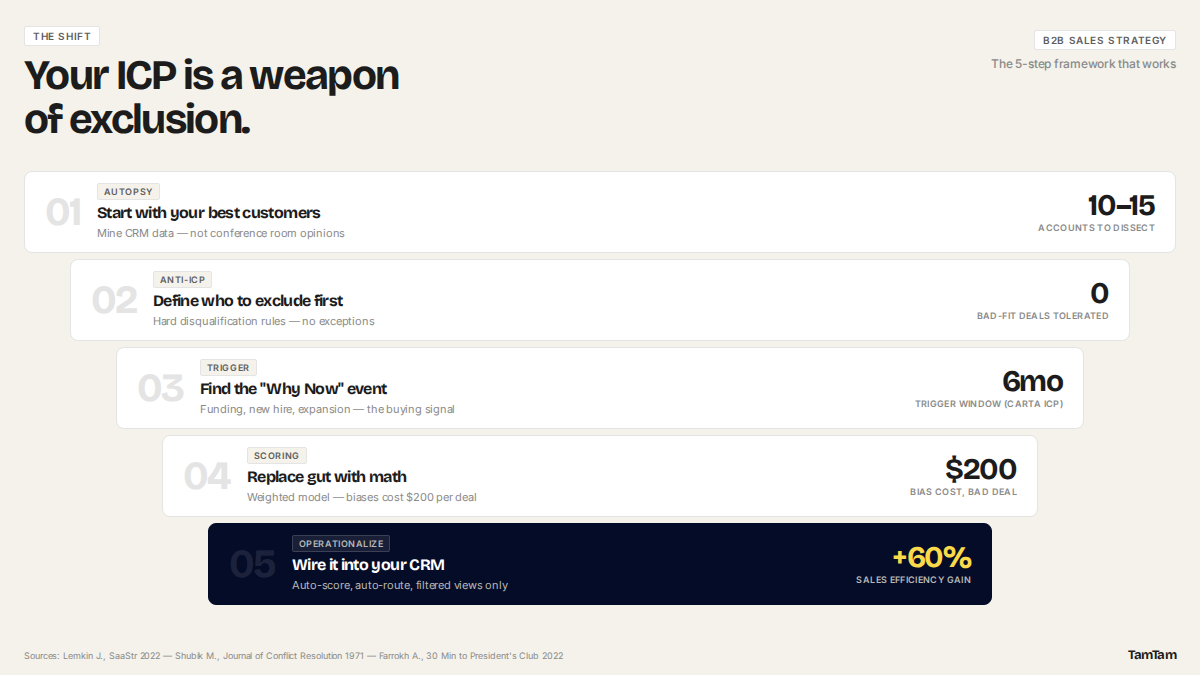
- Market Definition: This defines who the customers are. It involves identifying the Total Addressable Market (TAM), narrowing it to the Serviceable Addressable Market (SAM), and creating a detailed Ideal Customer Profile (ICP) for the most valuable accounts.
- Value Proposition: This clarifies what the product does and why it is better than alternatives. It requires deep understanding of customer pain points and translates features into tangible benefits, often tailored to specific buyer personas.
- Pricing and Packaging: This determines how the product will be sold. It includes setting price points, defining tiers or packages, and establishing a model (e.g., subscription, usage-based, one-time purchase) that aligns with the value delivered.
- Distribution Model: This outlines how the product will reach customers. Common models include direct sales motions like sales-led growth (SLG), a self-service model like product-led growth (PLG), or indirect channels through partners and resellers.
GTM vs. Sales and Marketing Strategy
A GTM strategy is a high-level, cross-functional plan, not to be confused with the specific strategies of individual departments.
- A GTM strategy is the overarching plan that defines the market, product positioning, and revenue model.
- A marketing strategy details how to generate awareness and interest within the target market defined by the GTM, covering activities like demand generation and content.
- A sales strategy outlines how the sales team will convert that interest into revenue, including which sales methodology to use and how to structure territories.
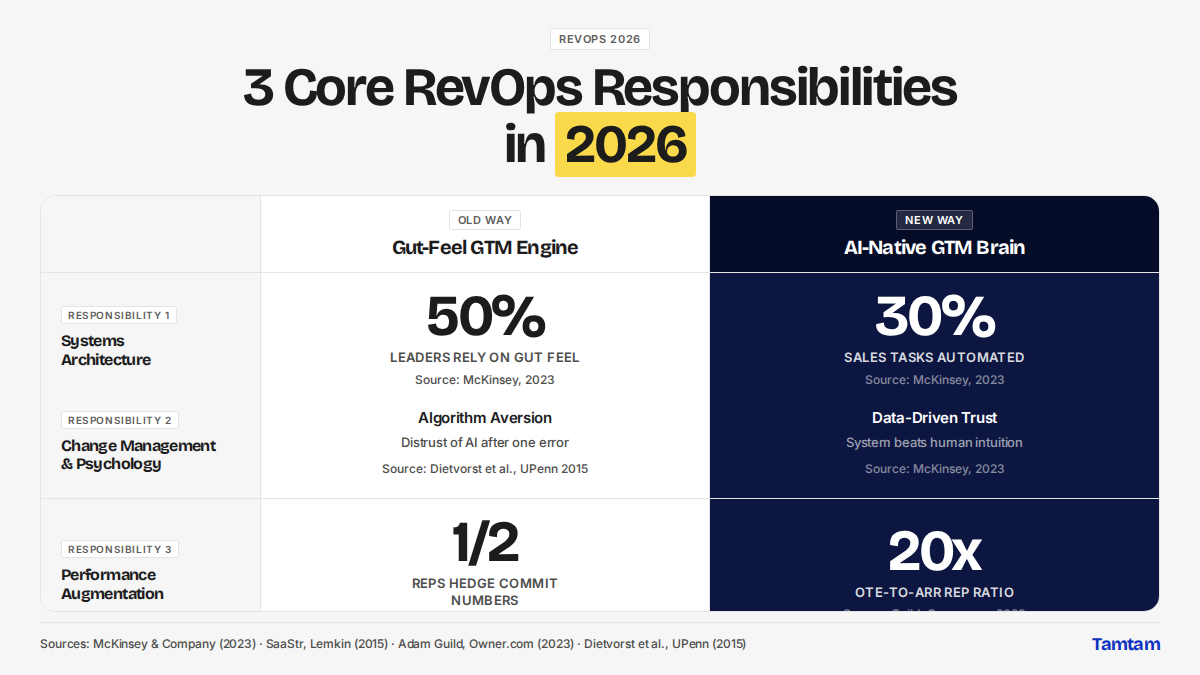
The Revenue Operations (RevOps) function is often responsible for orchestrating the execution and measurement of the GTM strategy across these departments.
Also known as: GTM strategy, GTM plan, go-to-market plan