Serviceable Addressable Market (SAM)
Serviceable Addressable Market (SAM) is the portion of the total market that a company can realistically target and serve with its current products and sales channels.
The Serviceable Addressable Market (SAM) is the segment of the Total Addressable Market (TAM) that a company can realistically serve with its current products, services, and go-to-market model. It represents the potential revenue opportunity within a company’s operational reach, constrained by factors like geography, product-market fit, language support, and distribution channels. While TAM represents the entire theoretical market, SAM provides a more practical and focused view of the immediate opportunity.
How SAM Relates to TAM and SOM
Market sizing typically involves a hierarchy of three concepts: TAM, SAM, and SOM (Serviceable Obtainable Market).
- Total Addressable Market (TAM): The total global demand for a product or service. For a new accounting software, the TAM might be all businesses worldwide.
- Serviceable Addressable Market (SAM): The portion of the TAM that fits the company’s current capabilities. The accounting software company might only serve businesses in North America that use English, which defines its SAM.
- Serviceable Obtainable Market (SOM): The realistic share of the SAM a company can capture in the near term, considering competition and market penetration. The company might aim to capture 5% of its SAM in the first two years.
This layered approach moves from a broad, theoretical market size to a specific, actionable target.
Why SAM Is Important for Strategy
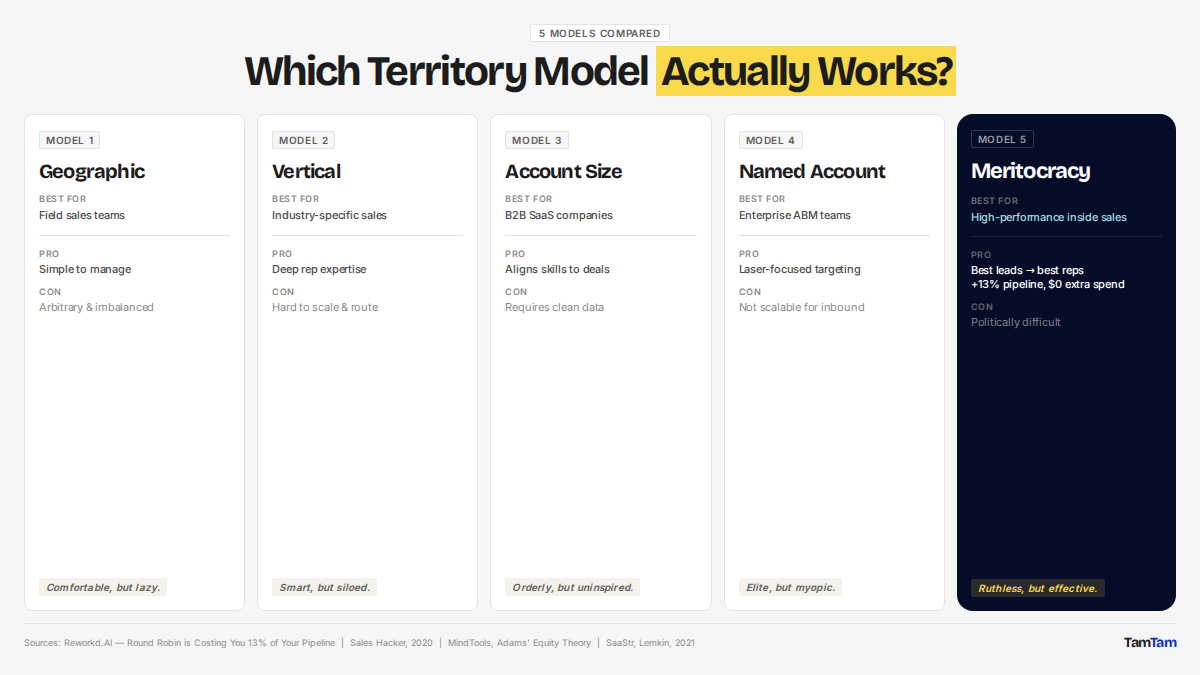
Defining the SAM is a critical step in business planning and resource allocation. It forces a realistic assessment of a company's current position and capabilities, which helps focus strategic decisions. Sales and marketing teams use the SAM to define territories, set realistic quotas, and create effective campaigns.
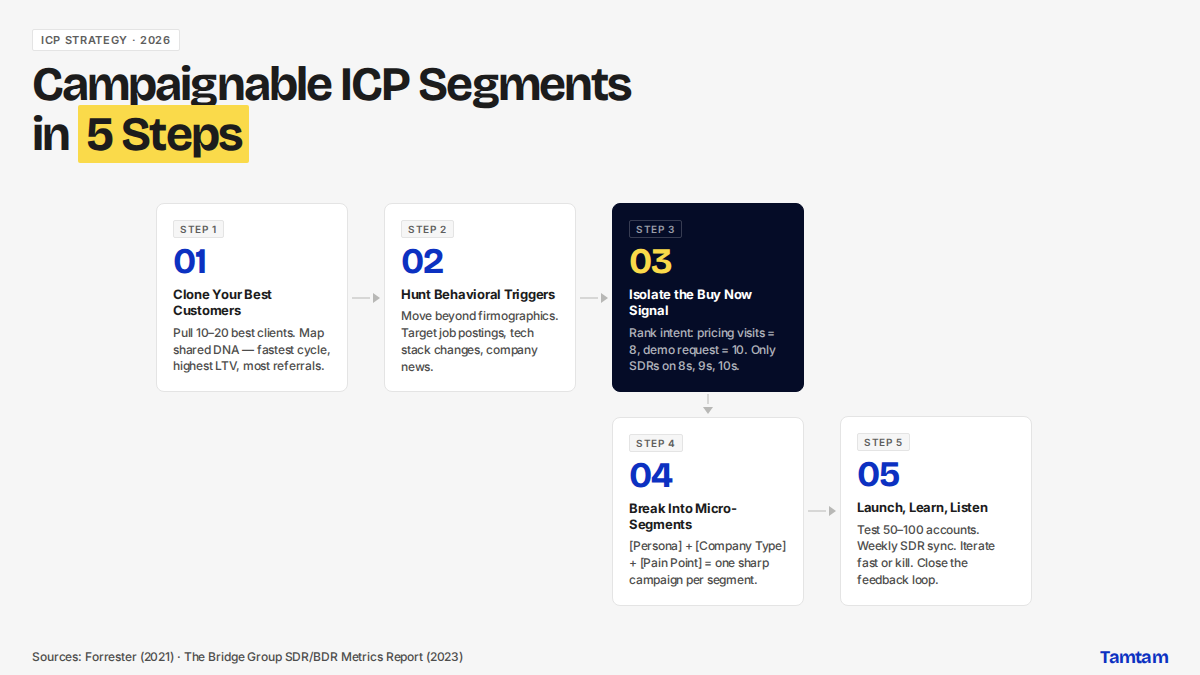
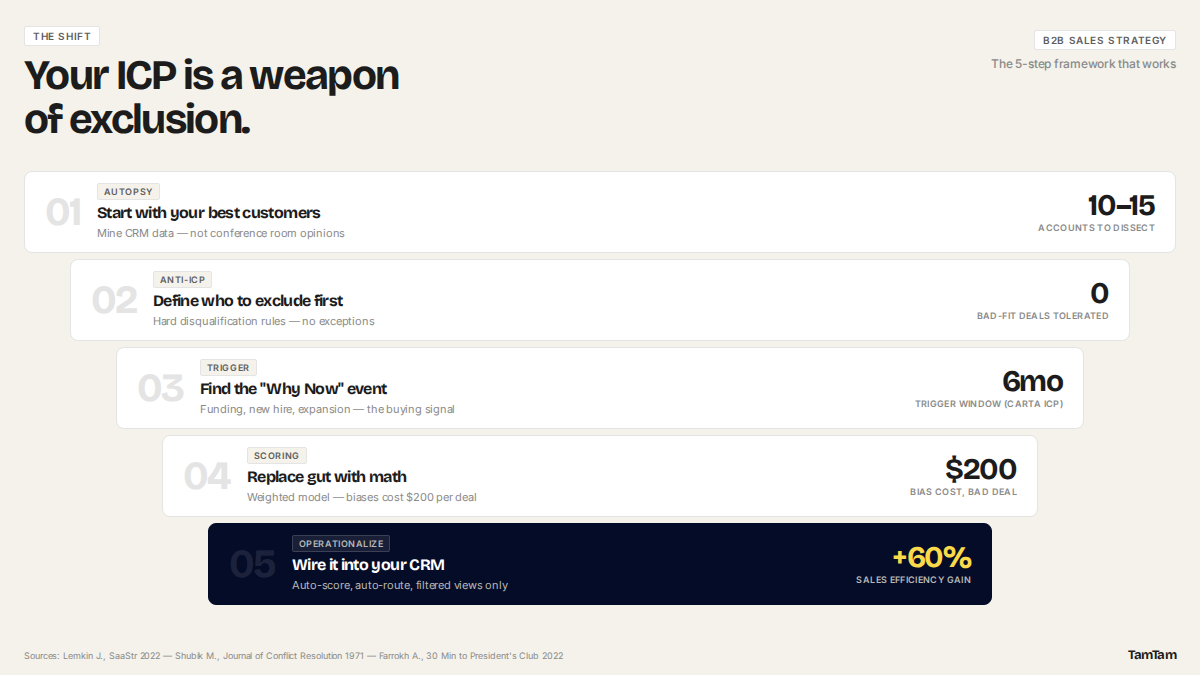
A well-defined SAM is directly tied to a company’s Ideal Customer Profile (ICP). The attributes of the ICP, such as industry, company size, and technology stack, are the filters used to narrow the TAM down to the SAM. This ensures that go-to-market efforts are concentrated on the prospects most likely to convert and succeed as customers. This process of market segmentation allows for the creation of a high-quality target account list.
Also known as: SAM