Sales forecasting
Sales forecasting is the process of predicting future revenue for a specific period based on current pipeline, historical data, and rep analysis.
Sales forecasting is the process of estimating a company's future sales revenue over a specific period, such as a month, quarter, or year. It provides leadership with a data-informed prediction of business performance, which is essential for setting goals, managing budgets, and making strategic decisions. An accurate forecast helps align expectations across the organization, from finance and marketing to sales and product development.
Common Forecasting Methods
Organizations use several methods to generate a sales forecast, often combining them to improve reliability. Each approach uses different data points to arrive at a revenue prediction.
- Opportunity Stage Forecasting: This common method applies a historical probability to the value of deals in each stage of the sales funnel. For example, deals in the "Proposal" stage might have a 60% chance of closing based on past conversion rates.
- Judgmental Forecasting: Also known as the "rep call-down," this relies on the qualitative judgment of individual sales reps and their managers. Each rep "commits" a certain amount of revenue they expect to close, which is then rolled up into a team-level forecast.
- Historical Forecasting: This simple approach assumes future sales will follow past trends. For example, a team might predict a 10% increase over the same quarter last year, accounting for seasonality.
- AI-driven Forecasting: Modern systems use machine learning to analyze a wide range of variables beyond simple pipeline stages. These can include engagement data, recent buying signals, and rep activity levels to produce a more objective and dynamic forecast.
Role in Revenue Operations
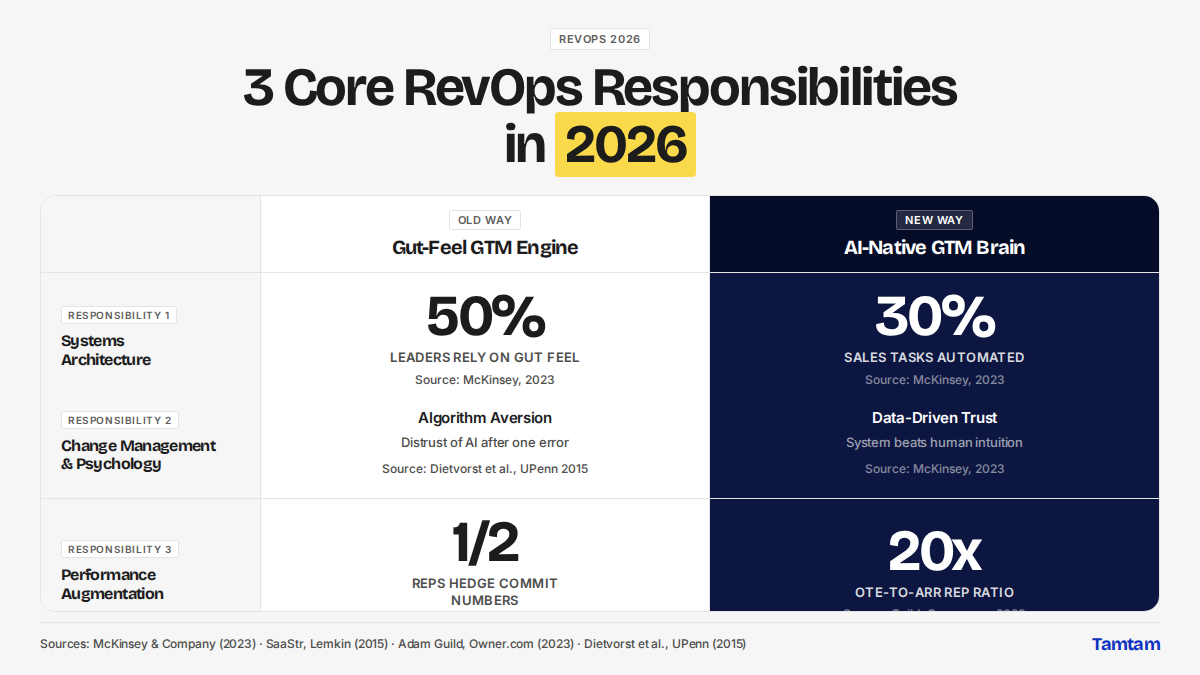
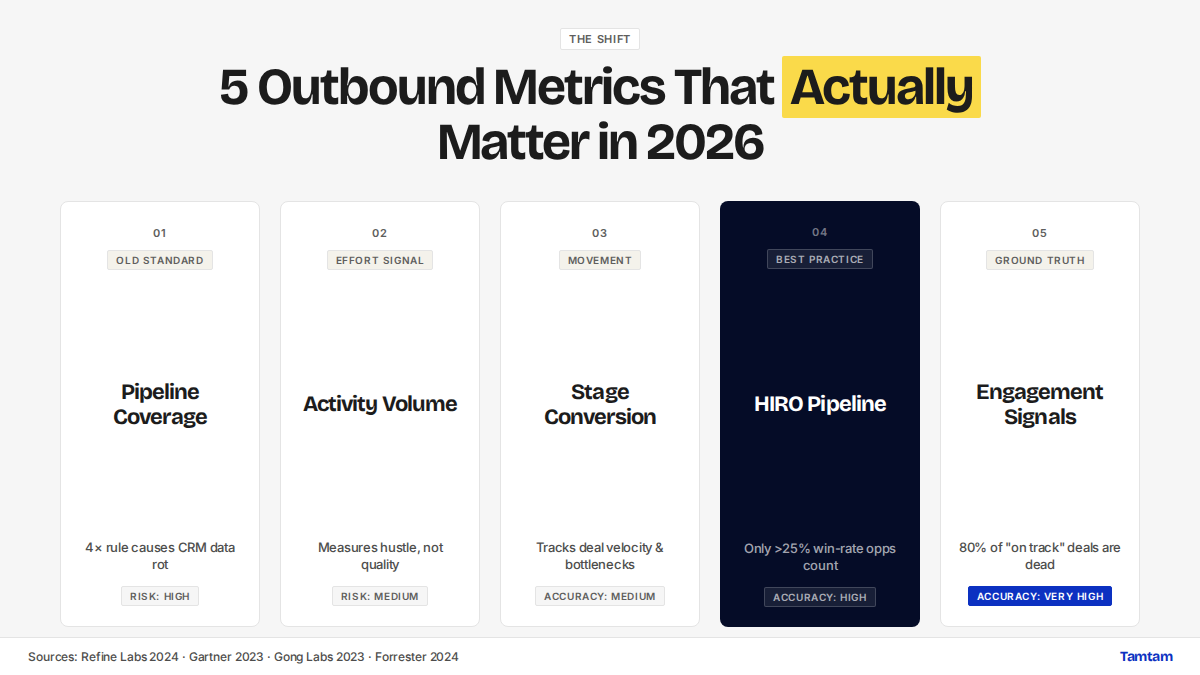
Sales forecasting is a core responsibility of Sales Operations and the broader Revenue Operations function. The primary goal is not just to produce a number, but to create a predictable and repeatable process. The key metric for evaluating this process is forecast accuracy, which measures the variance between the predicted revenue and the actual results. A reliable forecast allows a business to confidently manage its pipeline coverage and allocate resources to meet overall revenue targets.
Also known as: pipeline forecasting, revenue forecasting