Outbound sales
Outbound sales is a proactive sales motion where sellers initiate contact with potential customers who have not previously expressed interest.
Outbound sales is a sales motion where representatives proactively initiate contact with potential customers. Unlike inbound sales, where prospects engage first based on marketing efforts, an outbound model empowers a sales team to select and pursue specific accounts that fit its strategic goals. This approach gives a company direct control over its pipeline generation.
How Outbound Sales Works
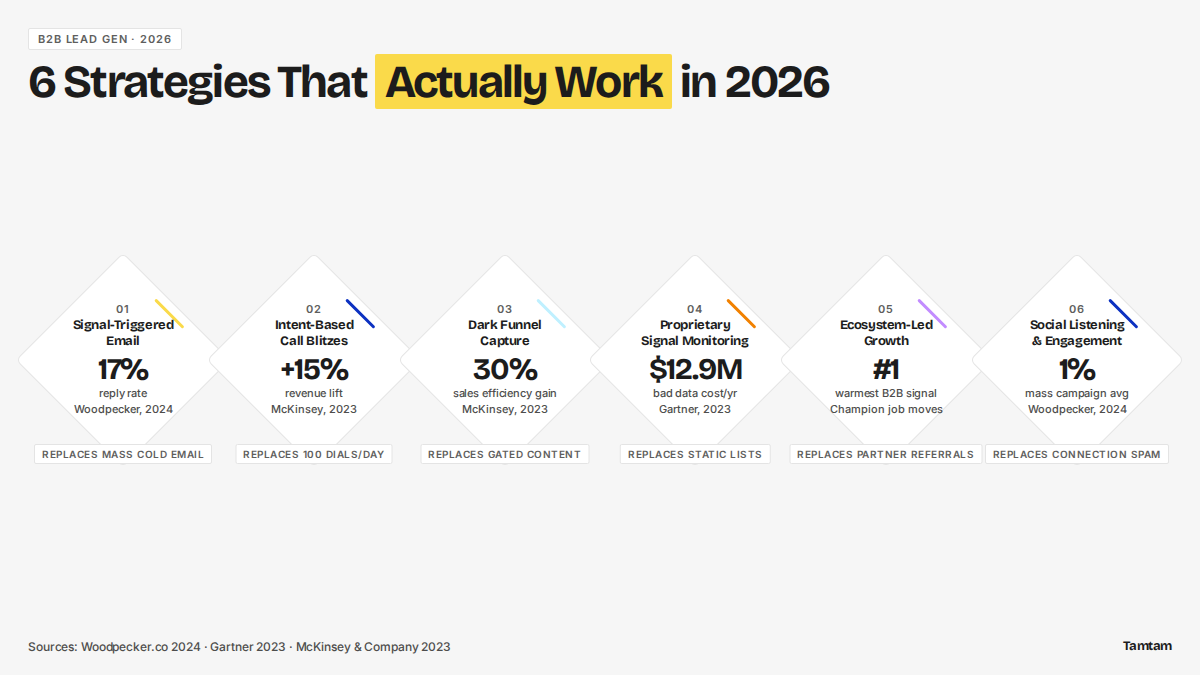
The process begins with defining an Ideal Customer Profile to identify best-fit companies. From there, teams build a target account list. Sales reps then execute prospecting activities using cold email, cold calls, and social network engagement to start conversations and book qualified meetings.
Why Outbound Sales Matters
The primary advantage of outbound is control: an organization dictates which segments and accounts it engages, making it critical for any go-to-market strategy aimed at moving upmarket or entering new verticals. When executed systematically, an outbound motion generates a predictable revenue pipeline and produces direct, unfiltered market feedback on messaging and value propositions.
Outbound vs. Inbound Sales
The distinction lies in who initiates the conversation. In an outbound motion, the seller makes the first move. In an inbound motion, the buyer does, typically by responding to marketing activities like content downloads or demo requests. Many B2B companies operate a hybrid model: SDRs qualify inbound interest while BDRs focus on outbound prospecting.
Also known as: outbound, outbound motion
See how Tamtam handles outbound & pipeline generation in practice.
Learn more →