Value selling
Value selling is a sales approach that focuses on the quantifiable business outcomes a solution delivers, rather than on its features or price.
Value selling is a sales approach where the conversation centers on the quantifiable business outcomes a product or service delivers. Instead of leading with features or pricing, reps focus on demonstrating how their solution creates measurable value for the buyer's organization, such as increased revenue, reduced costs, or improved efficiency.
How It Works
The process begins with discovery to understand a prospect's core business problems and goals. Reps and buyers collaboratively build a business case, often using ROI (Return on Investment) models to project the financial impact of a purchase. This shifts the conversation from a product's cost to its value as a strategic investment. Successful value selling requires speaking the language of executive stakeholders, focusing on metrics like profit margin, customer lifetime value, or risk reduction.
Key Principles
Value selling is built on several core ideas:
- Focus on Impact, Not Features: Every capability is connected to a specific, measurable business result.
- Quantify the Pain: The cost of inaction is made clear by assigning a dollar value to the buyer's current problems.
- Speak the Executive Language: Discussions revolve around financial metrics and strategic goals, not just technical details.
- Co-create the Business Case: The rep and buyer work together to build the purchase justification, empowering an internal champion.
Relationship with Other Frameworks
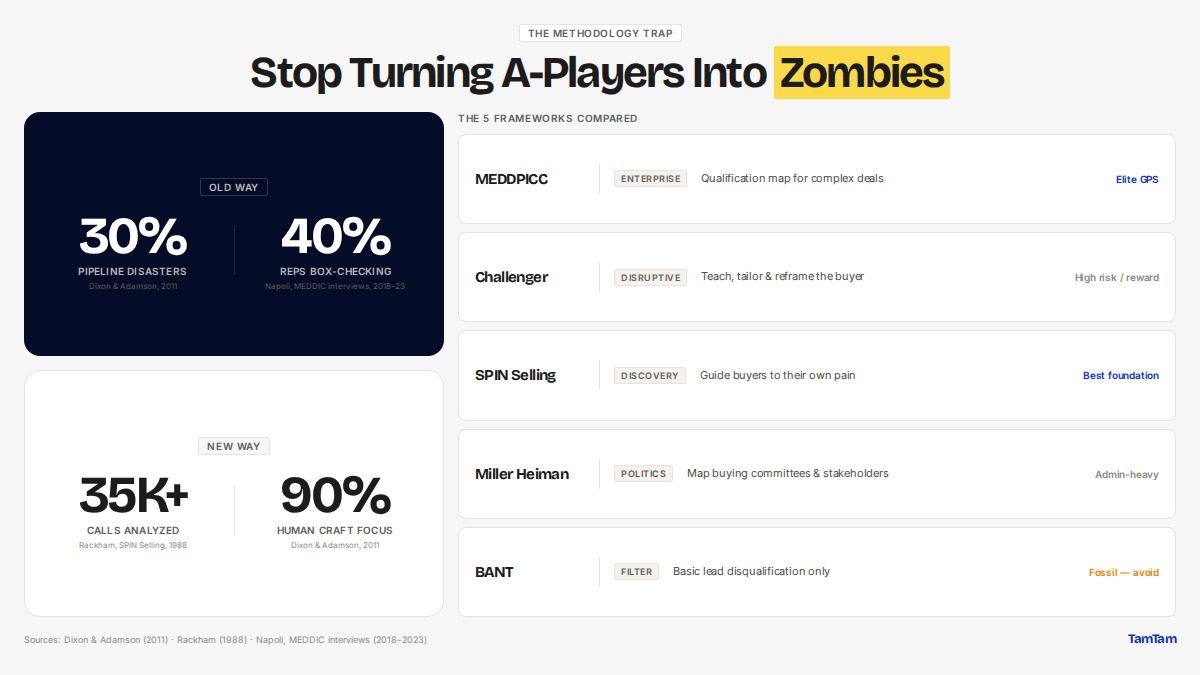
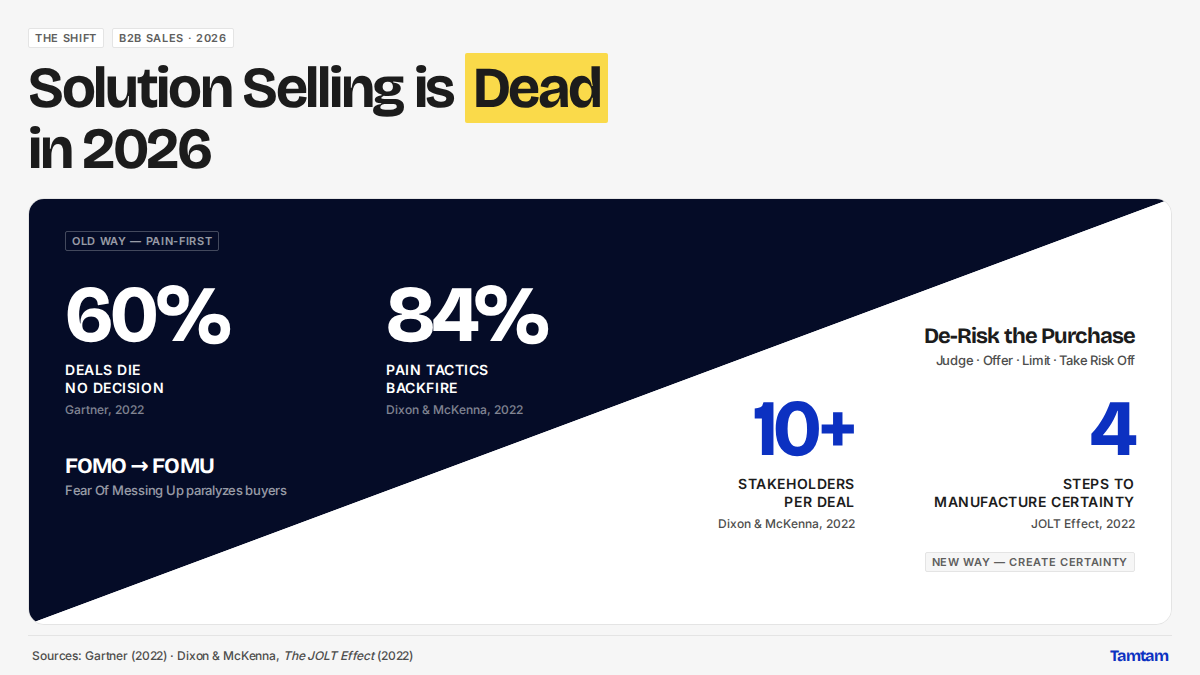
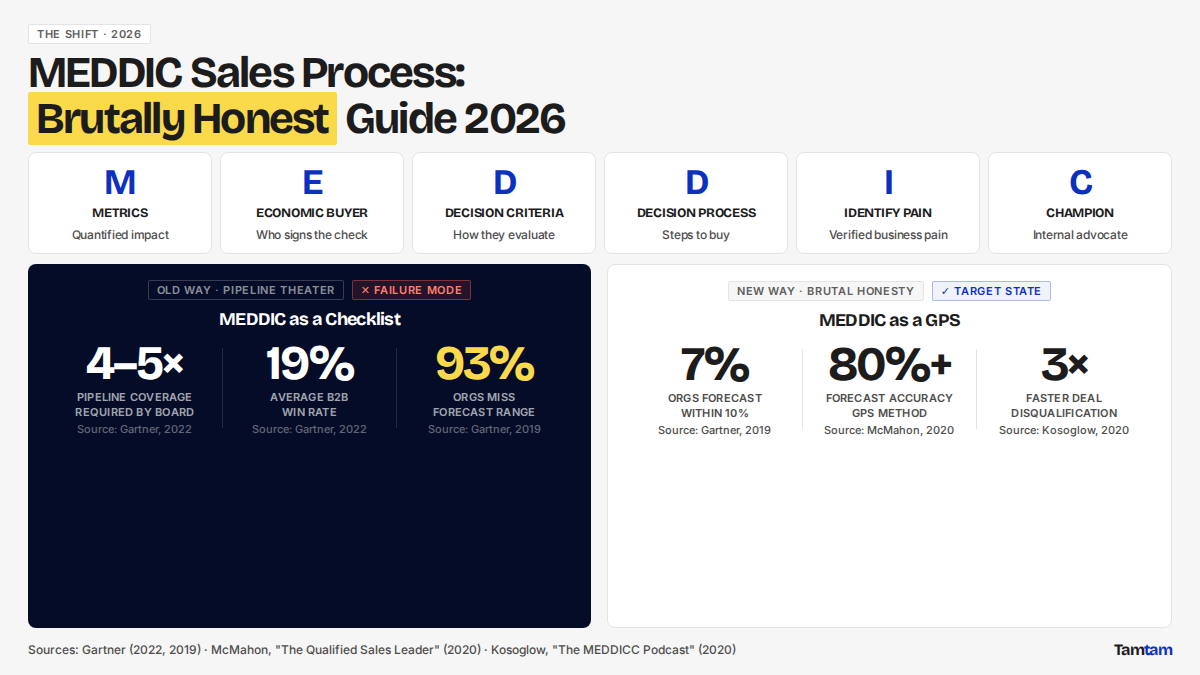
Value selling is a philosophy that informs many modern sales methodologies. The 'Metrics' component of the MEDDIC framework and the 'Impact' criterion in SPICED are direct applications of this approach. Modern qualification frameworks like NEAT selling also explicitly focus on 'Economic impact'. It evolves from earlier consultative methods like solution selling by placing a stronger emphasis on hard numbers. This sales approach should not be confused with value-based pricing, which is a strategy for setting a product's price.
Also known as: value-based selling, value selling framework