June 9, 2026
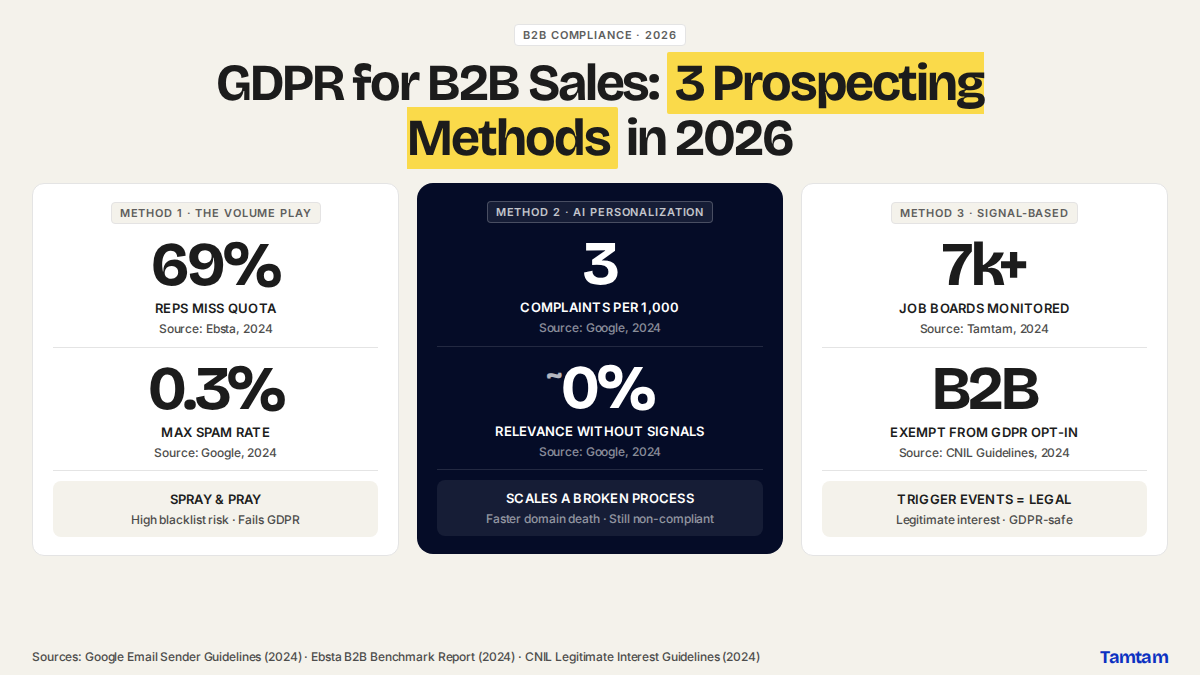
The old 'spray and pray' model of B2B sales is officially dead, killed not by GDPR but by Google's strict 0.3% spam complaint rule. Attempting to disguise spam with AI personalization only fast-tracks your domain to the blacklist. The only compliant and effective strategy today is signal-based selling, which uses trigger events like new hires or tech changes to establish Legitimate Interest for outreach. If your team is still buying static lists, you're operating on a model that is both illegal and obsolete.
For years, sales leaders have been terrified of one thing: a massive fine from some GDPR regulator in Brussels. That anxiety has shaped how teams buy and store B2B data for a decade. It turns out we were all worried about the wrong monster.
The real killer of outbound sales isn't a European bureaucrat. It's an algorithm.
In early 2024, Google and Yahoo, who collectively handle the vast majority of business email, rolled out new sender requirements. Buried in the technical documentation was a rule that changed the game forever: if your spam complaint rate goes above 0.3%, they start sending your emails straight to the spam folder. Or worse, they stop delivering them entirely.
Let's do the math. A 0.3% complaint rate means you can only afford three spam complaints for every 1,000 emails you send. Three.
Suddenly, the dusty old debate about GDPR and "Legitimate Interest" isn't a theoretical legal exercise. It's an urgent, practical matter of survival. Your biggest risk isn't a fine; it's getting your entire domain blacklisted, rendering your whole outbound team useless.
The game has changed. Here are the three ways companies are trying to play, and why two of them are a fast track to extinction.
This is the prospecting method you know and, if you're being honest, probably hate. You buy a massive, static list of contacts that vaguely fit your ICP, load them into a sequencer, and let it rip. The underlying philosophy is that sales is a pure numbers game. More inputs equal more outputs.
Who it's for: Companies who think it's still 2011, private equity-backed firms demanding 100 activities per SDR per day, and sales leaders who are about to get fired.
Strengths:
Weaknesses:
Verdict: This method is a dinosaur that just saw the asteroid. It’s not just ineffective and legally dubious; it's now operationally self-destructive.
Okay, so "spray and pray" is dead. The next logical step, for many, is to make the spam... fancier. This is the world of "personalization at scale." You use AI tools to scrape a prospect’s social network profile, find their university mascot or a recent post they liked, and drop that into the first line of your email.
The email now reads: "Hey John, saw you're a fan of the Michigan Wolverines and are interested in enterprise software. Anyway, here are 12 paragraphs about my SaaS platform."
Who it's for: Teams who think a clever new tool can fix a broken strategy. They've been sold the dream that technology can create genuine human connection with a single API call.
Strengths:
Weaknesses:
Verdict: AI personalization is a trap that uses technology to mask a deep strategic flaw. You've built a faster horse in a world that's already driving cars.
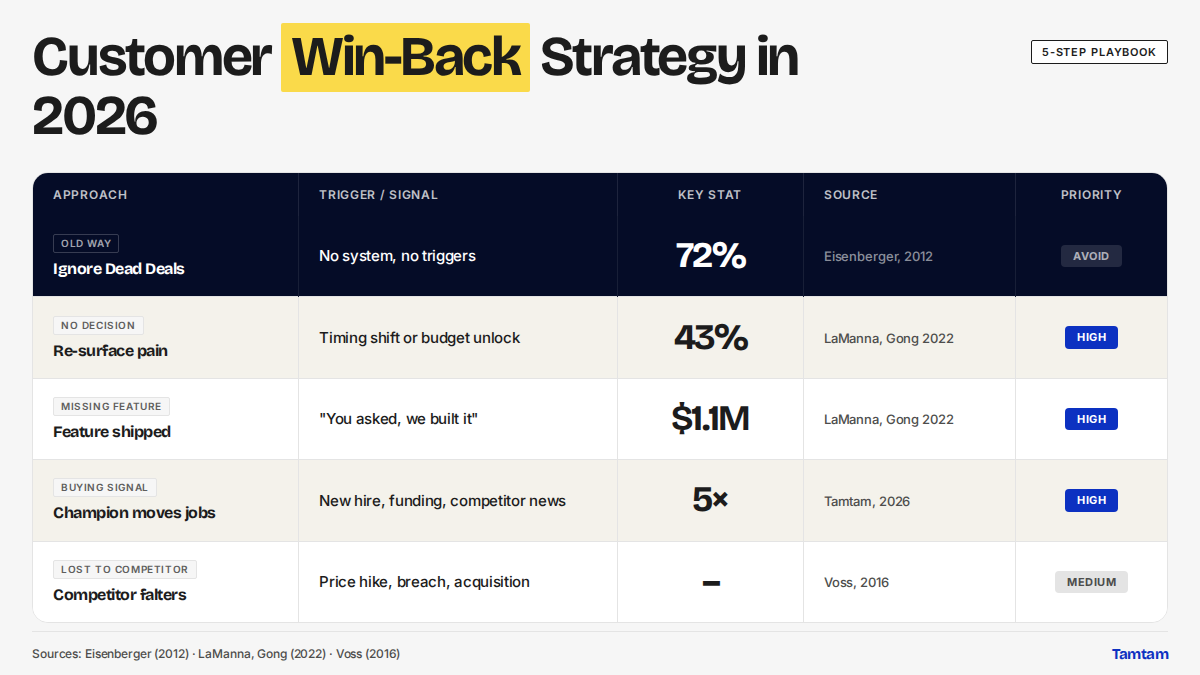
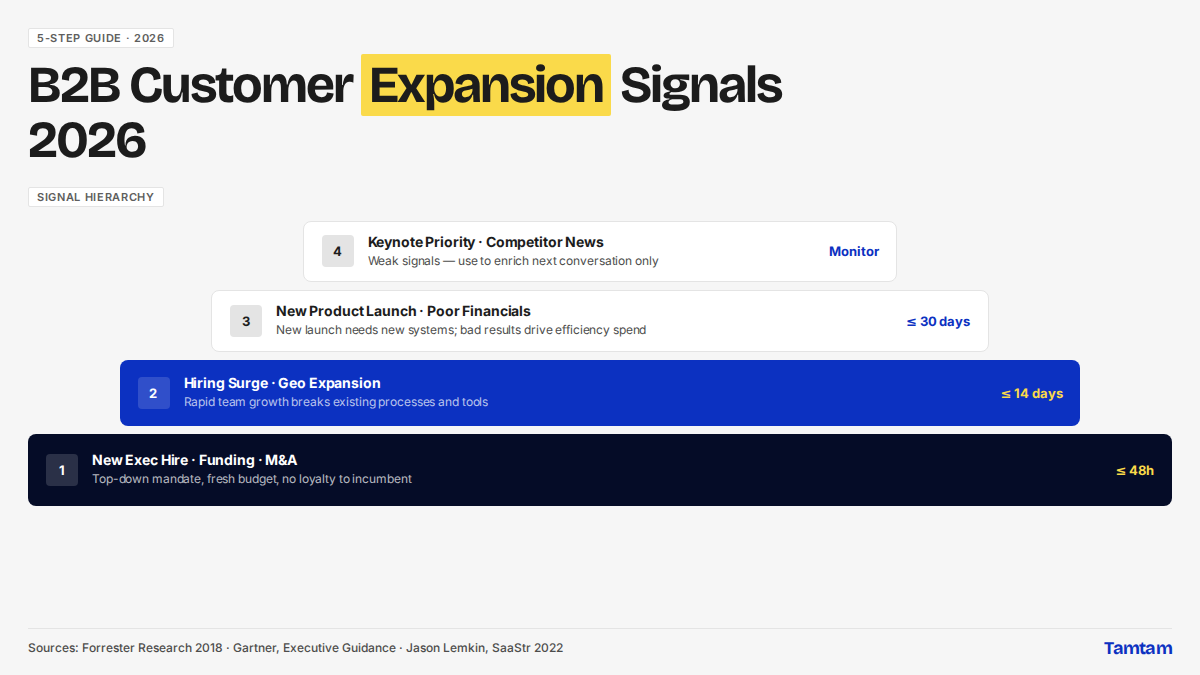
This approach flips the entire model on its head. Instead of starting with a giant list and trying to invent reasons to contact people, you start with the reason itself: a trigger event, or a "signal."
A signal is a verifiable event that indicates a company or individual might be in the market for your solution. It’s the why now?
Who it's for: Elite revenue teams who understand that timing isn't just one thing in sales; it's the only thing. They treat their outbound function like a sniper, not a machine gunner.
Strengths:
Weaknesses:
Verdict: Signal-based selling is the only B2B prospecting method that is both legally compliant under GDPR and operationally viable in the new era of email deliverability.
| Approach | GDPR Compliance Risk | Domain Blacklist Risk | Pipeline Quality | Typical SDR Comp Model | The Bottom Line |
|---|---|---|---|---|---|
| The Volume Play | Very High. Fails the "Legitimate Interest" test. | Critical. Mathematically guaranteed to exceed the 0.3% spam complaint rate. | Crap. Full of low-intent leads that waste AE time. | Pay-per-activity or pay-per-meeting. | A relic from a bygone era that will kill your business. |
| AI Personalization | High. Personalization isn't relevance. Still lacks a true Legitimate Interest. | High. Accelerates a broken process, leading to a faster domain death. | Deceptive. Looks good on paper, but still low-intent. | Pay-per-meeting, with a "personalization" KPI. | Putting lipstick on a pig and teaching it to type faster. |
| Signal-Based Method | Low. The trigger event establishes clear Legitimate Interest. | Low. Relevant outreach keeps spam complaints near zero. | Elite. High-intent, high-conversion, faster sales cycles. | Pay-per-qualified-pipeline or revenue influence. | The only way to legally prospect and build a sustainable business. |
Let's cut the crap. You don't have three options here. You have one viable path and two fast lanes to irrelevance. Your decision comes down to a single question: Do you want to have a functioning outbound sales engine in 12 months?
If the answer is yes, here’s your action plan.
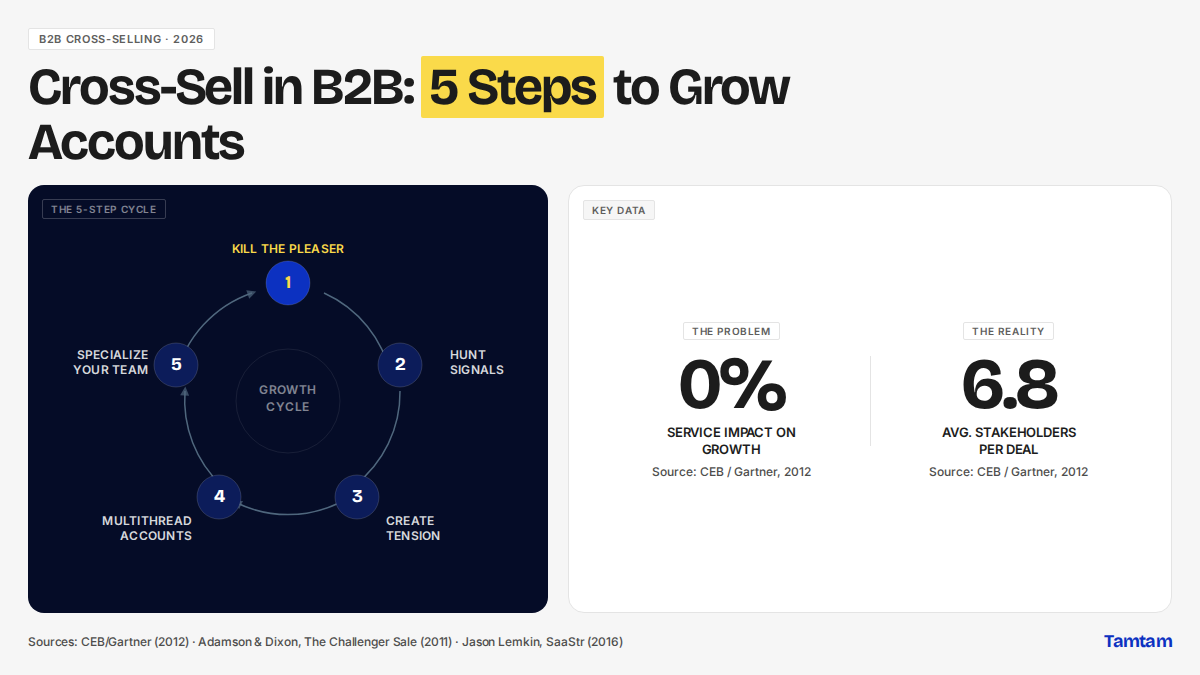
The debate is over. This isn't a strategic choice between "quality" and "quantity" anymore. The fundamental physics of the internet has changed, and the volume model has been technically deprecated. Arguing for it is like arguing for a horse and buggy after the Model T rolled out. This is a systems problem. Making the shift without hiring an army of researchers requires a new kind of platform. This is the new reality Tamtam was built for: to turn the buying signals that create Legitimate Interest into lead lists that actually convert.
Set up for you before our first call
Book a demo