Account prioritization
Account prioritization is the process of ranking target accounts to determine where sales teams should focus their immediate efforts and resources.
Account prioritization is the data-driven process of scoring and ranking companies to determine the sequence and intensity of sales and marketing engagement. After defining an Ideal Customer Profile and building a target account list, prioritization answers the critical operational question: "Which accounts should the team work on right now?" This ensures that the most valuable and timely opportunities receive the most attention.
How Account Prioritization Works
Effective prioritization models combine multiple data types to create a holistic score for each account. The goal is to balance how good a fit an account is with how likely it is to buy soon. This model is typically built and maintained by a Revenue Operations team.
Key inputs include:
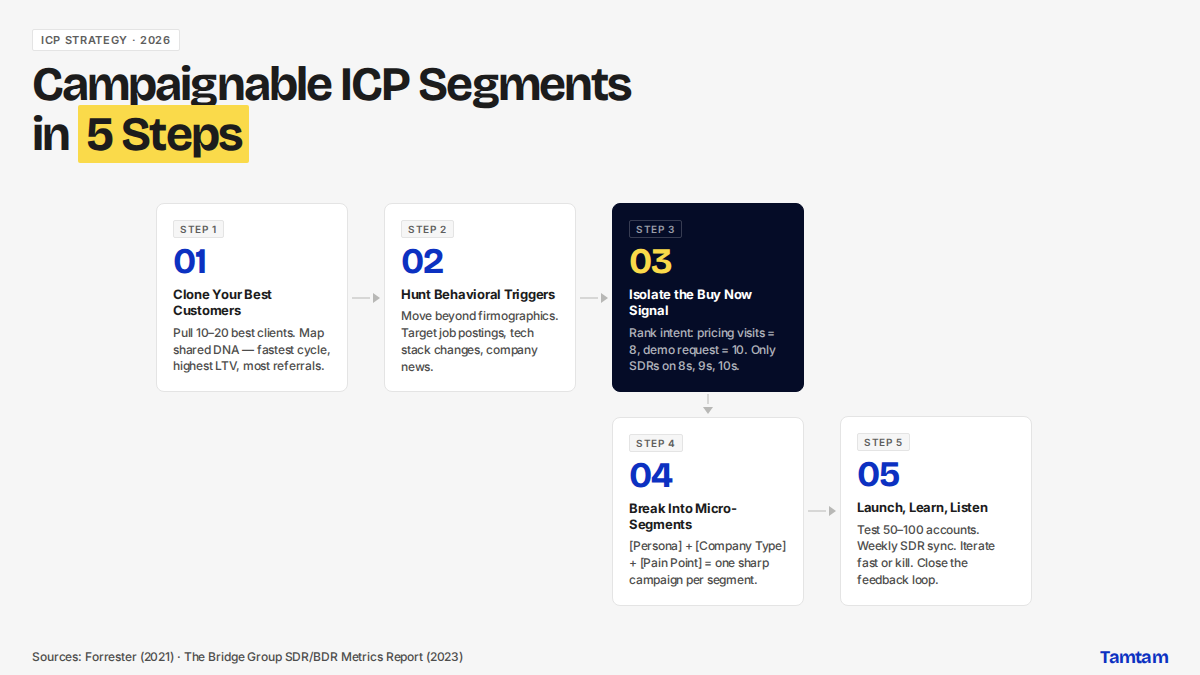
- Static Fit Data: These are relatively stable attributes that measure how closely an account matches the ICP. This includes firmographics (like industry and company size), technographics (the technology a company uses), and historical engagement. This data often powers a quantitative ICP fit score.
- Dynamic Timing Signals: These are real-time indicators that suggest an account has entered a buying window. This includes intent data, which shows active research on relevant topics, and other buying signals like key executive hires, funding events, or new office openings.
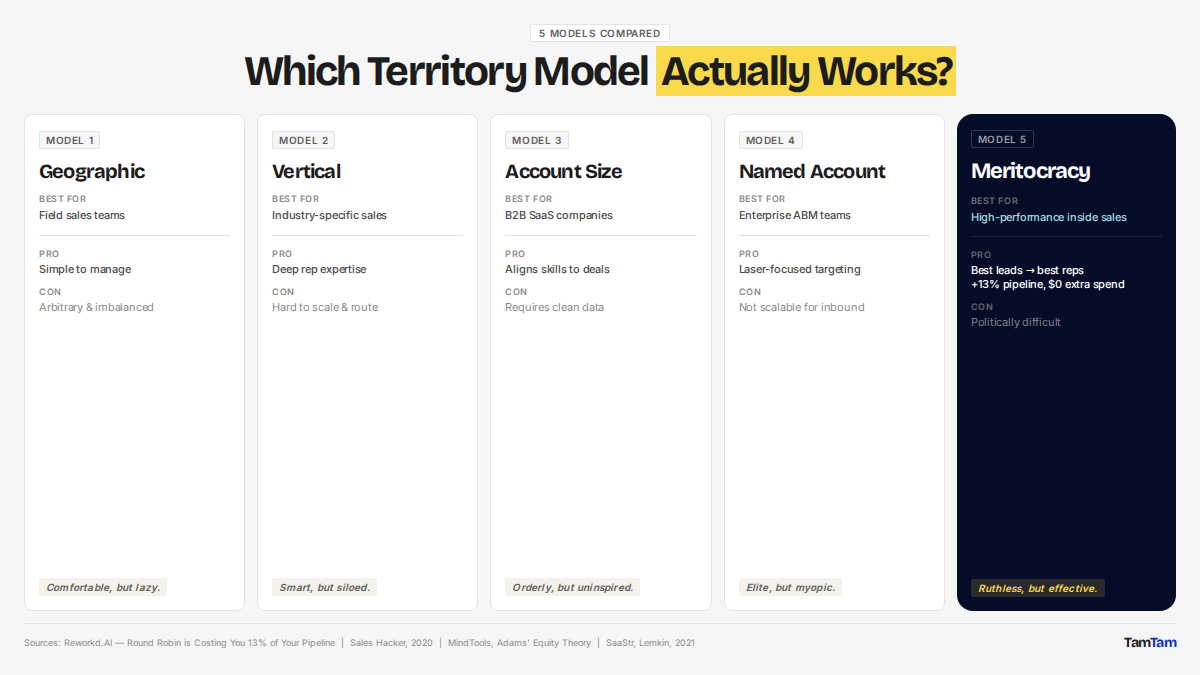
- Organizational Rules: This includes business logic like territory assignments, account ownership, and strategic designations for Tier 1 accounts that may receive priority regardless of other signals.
Why Account Prioritization Matters
Without a systematic approach to prioritization, sales teams often default to working alphabetically or based on intuition, which is inefficient. A strong prioritization framework provides several key benefits for a go-to-market strategy.
It drives efficiency by focusing finite resources on accounts with the highest probability of closing. It improves effectiveness by enabling timely outreach when buyers are most receptive. Finally, it creates strong alignment between sales and marketing, ensuring both teams focus their efforts on the same high-value targets, which is foundational for strategies like account-based selling and orchestrated outreach.
Also known as: account prioritisation, lead prioritization