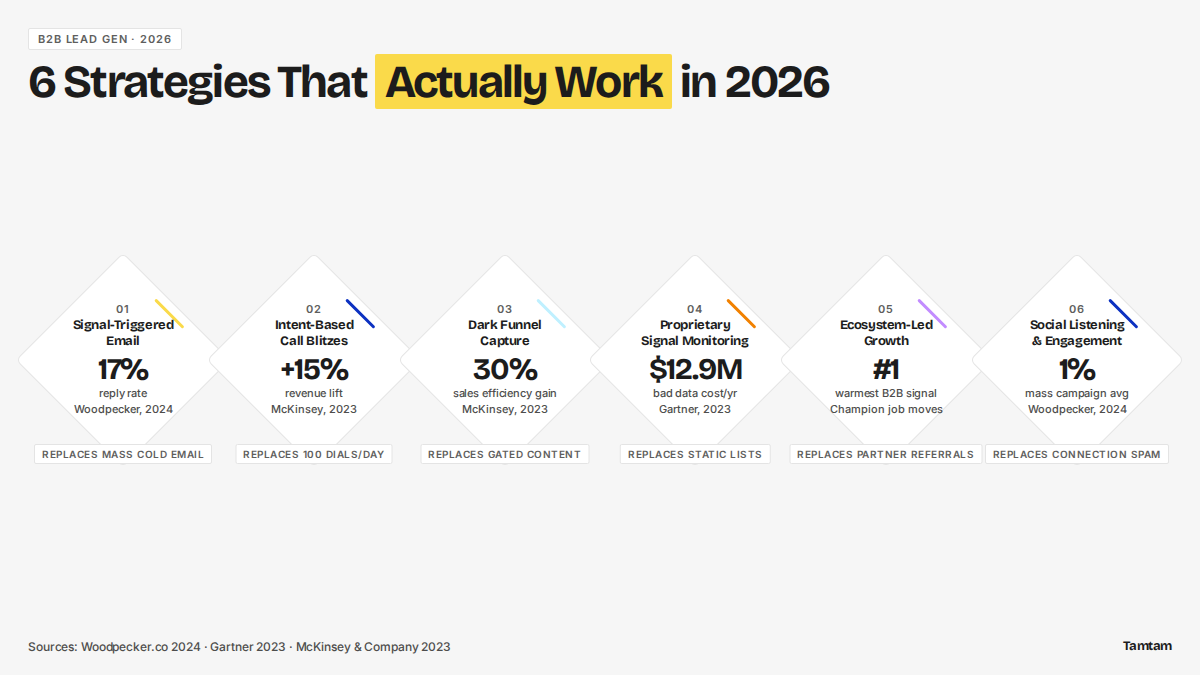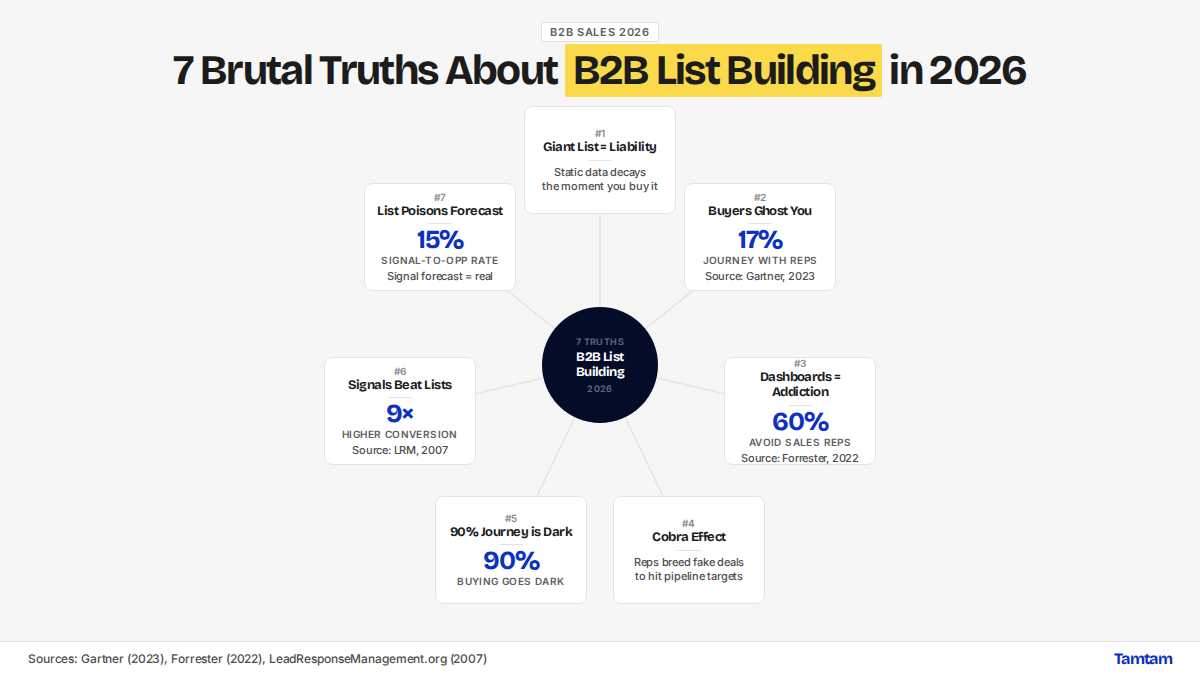
Lead generation
Lead generation is the process of identifying and cultivating potential customers for a business's products or services to fill the top of the sales pipeline.
Lead generation is the complete process of identifying potential customers and stimulating their interest in a company's product or service. The primary goal is to create a steady stream of contacts, or "leads," that can be nurtured and passed to the sales team to begin their engagement. It encompasses a wide range of activities across both marketing and sales, from creating content that attracts buyers to proactively reaching out to target accounts.
Inbound vs. Outbound Lead Generation
Lead generation strategies are typically categorized into two main approaches: inbound and outbound.
Inbound lead generation focuses on attracting potential customers through valuable content and experiences. This includes blog posts, webinars, SEO, and social network content. Prospects find the business on their own terms, and when they express interest (like downloading a guide), they become a Marketing Qualified Lead (MQL).
Outbound lead generation involves proactively contacting potential customers who have not yet expressed interest. This is the core of an outbound sales motion and includes activities like cold calling and cold email. The BDR or SDR team often drives this effort through active prospecting.
Key Components of a Lead Generation Strategy
An effective lead generation program is a core part of any go-to-market strategy and relies on several key components:
- Clear Targeting: Defining an Ideal Customer Profile (ICP) to focus efforts on the companies most likely to buy.
- Channel Mix: Selecting the right channels (e.g., content marketing, paid ads, events, direct outreach) to reach the target audience.
- Compelling Offers: Creating valuable content or offers like ebooks or demos that motivate prospects to share their contact information.
- Qualification Process: Implementing a lead qualification framework to score and prioritize leads, ensuring the sales team spends time on the most promising prospects.
How Lead Generation Differs from Demand Generation
While often used interchangeably, lead generation and demand generation are distinct functions.
Demand generation is a broader, top-of-funnel marketing strategy focused on creating awareness and interest in a product category or problem. It educates the market without necessarily asking for a direct conversion.
Lead generation is the next step: it aims to capture the interest created by demand generation. It converts anonymous audience members into known contacts by getting them to take a specific action, officially entering them into the sales funnel.
Also known as: lead gen, B2B lead generation
See how Tamtam handles outbound & pipeline generation in practice.
Learn more →